
OUR LATEST POSTS
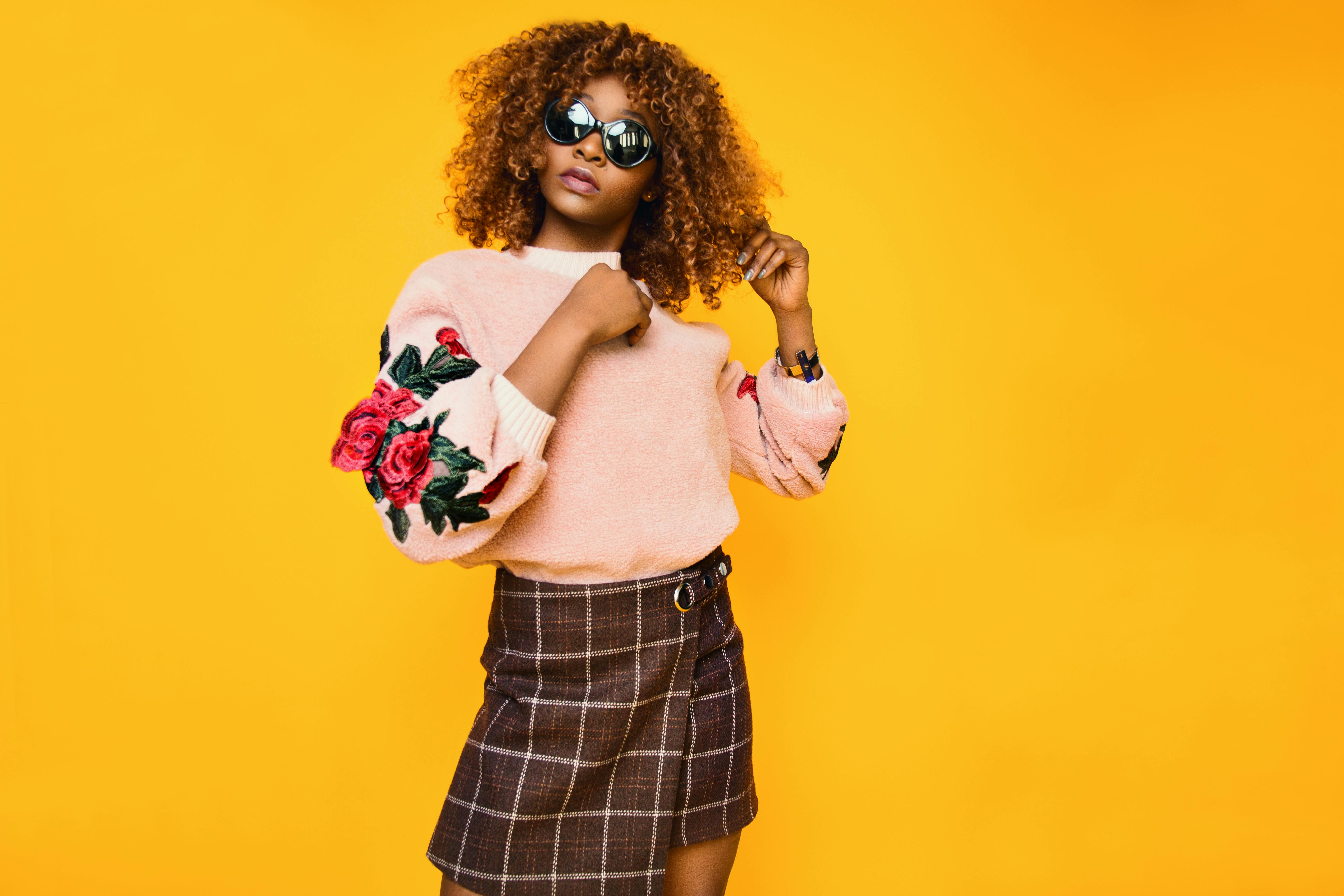
Sustainable Style: How Eco-Friendly Fashion Trends Are Taking Over
Fashion has always been about self-expression, but recent years have seen a shift toward responsibility and sustainability. More designers and brands are now integrating eco-friendly practices into their collections, proving that style doesn’t have to come at the expense of the environment.
One of the most noticeable trends is the use of sustainable fabrics. Organic cotton, bamboo, hemp, and recycled polyester are becoming standard in collections. These materials reduce environmental impact while maintaining the quality and feel of traditional fabrics. Brands are also experimenting with innovative textiles, like fabrics made from coffee grounds, seaweed, or even recycled ocean plastics, combining creativity with sustainability.
Ethical production is another key aspect driving eco-friendly fashion. Consumers are increasingly aware of the labor practices behind their clothes, favoring brands that ensure fair wages and safe working conditions. Transparency in supply chains is becoming a trend itself, with brands proudly showcasing where and how each garment is made.
Vintage and upcycled fashion is also making a strong statement. Thrifted and second-hand items allow individuals to refresh their style without contributing to overproduction. Upcycling old garments into something new not only reduces waste but also adds a unique, personalized touch to fashion choices.
Sustainable accessories are gaining popularity too. From biodegradable shoes to recycled jewelry, eco-friendly fashion extends beyond clothing. Designers are now thinking holistically, ensuring every element of an outfit aligns with sustainable principles.
For those looking to stay stylish while making eco-conscious choices,Top Shelf Wardrobe offers chic, thoughtfully curated clothing that aligns with these trends. Their collections combine modern aesthetics with responsible sourcing, making it easier than ever to update your wardrobe with sustainable pieces. Check them out here.
Fashion trends are evolving, and sustainability is no longer optional—it’s becoming a defining element of style. By choosing eco-friendly fabrics, supporting ethical brands, and exploring upcycled or second-hand pieces, you can create a wardrobe that reflects both taste and responsibility. Sustainable fashion proves that it’s possible to look good while making a positive impact on the world.
One or more of the links above are affiliate links, meaning, at no additional cost to you, we will earn a slight commission if you click through and make a purchase. Each of these products is chosen by a trusted member of our team.